







Found your dream car in another country, or simply looking to relocate your prized motor overseas? If you’re looking into roll on roll off shipping for your vehicle, you’ve come to the right place. Let’s break down everything you need to know about this fantastically straightforward way of moving vehicles across oceans.
Understanding Roll On Roll Off Shipping: The Basics
Let’s start at the basics – what is Roll On Roll Off car shipping? RORO shipping, as it’s often called, is basically a way of moving vehicles across the sea by placing them on a large, specialised cargo boat.
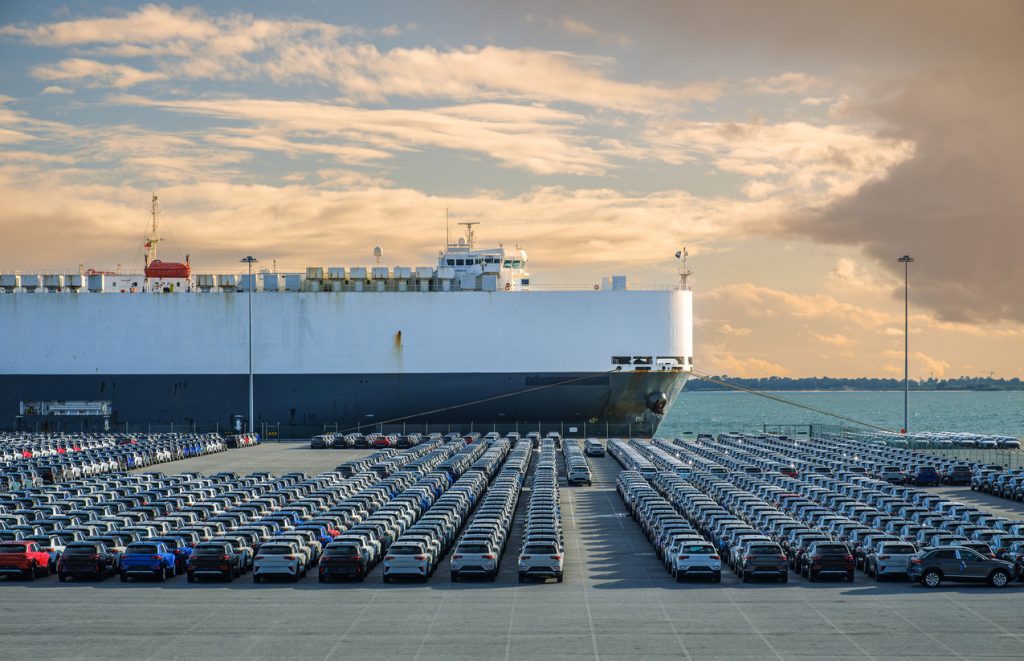
Think of it like a massive floating car park. Unlike container shipping, where vehicles are packed into metal boxes, RORO vessels are essentially giant floating multi-storey car parks. Vehicles are simply driven on at the departure port and driven off at their destination – hence the name!
Why Choose Roll On Roll Off Car Shipping?
The genius of roll on roll off car shipping lies in its simplicity. There’s no need for cranes or special lifting equipment to move cars on and off the ship, which often means:
- Lower handling costs
- Reduced risk of damage
- Faster loading and unloading
- More flexible scheduling options
RORO Shipping: Step by Step
When you’re preparing for roll on roll off car shipping, here’s what typically happens:
- Get a Quote and Book Your Space
Contact your freight forwarder with your vehicle’s make, model, and dimensions to secure a spot on an upcoming sailing. RORO space can fill up during peak periods, so book ahead where possible. - Vehicle Check-in
Your car needs to arrive at the departure port clean and with minimal fuel (usually a quarter tank or less). You’ll need to provide:- Registration documents
- Export documentation
- Personal identification
- Insurance paperwork
- Vehicle Inspection
A detailed condition report is completed before loading, noting any existing marks or damage. This protects you and the carrier if a dispute arises later. - Loading
Your vehicle gets loaded onto the vessel by port staff. As the name suggests, your car will be rolled (ie driven) on, and secured to deck with special equipment to keep it secure during the crossing. - Transit
It’s time to set sail to your destination. You will be able to track the ship en route. - Arrival and Customs Clearance
Once the ship arrives at the destination, your vehicle goes through customs and any other requirements like biosecurity. - Collection
It’s time to pick your vehicle up.
Vehicle Shipping Estimate: Understanding the Costs

Before diving into roll on roll off car shipping, you’ll want to get a vehicle shipping estimate. The cost varies depending on several factors:
- Vehicle size and weight
- Port of departure and arrival
- Season and availability
- Additional services (insurance, transport to/from port)
Getting Your Vehicle Shipping Estimate Right
To ensure an accurate vehicle shipping estimate, consider these additional factors. Your freight provider will guide you through all the options available.
- Customs duties and taxes
- Quarantine inspection fees
- Door-to-port or port-to-door services
- Insurance coverage
Roll On Roll Off Car Shipping Australia to NZ: Best Routes
One of the busiest routes for RORO shipping services is roll on roll off shipping from Australia to NZ, and back again. It’s no wonder – with thousands of people moving between these neighbouring countries each year, there’s constant demand for vehicle transport.
Popular Roll On Roll Off Shipping Australia to NZ Routes
The main RORO shipping routes between Australia and New Zealand include:
- Sydney to Auckland
- Melbourne to Auckland
- Brisbane to Auckland
Tips for a Smooth Roll On Roll Off Shipping Experience
Now that you understand the differences between roll on roll off car shipping and other types of vehicle transport, you may be wondering what the next steps are.
- Plan Ahead
Book your shipment at least a few weeks in advance, especially during busy periods. - Clean Your Vehicle
Australian and New Zealand customs are strict about cleanliness and biosecurity. A dirty vehicle can lead to delays and additional cleaning charges. - Document Everything
Take photos of your vehicle before shipping and keep copies of all paperwork. - Consider Insurance
While damage is rare in roll on roll off shipping, marine insurance provides peace of mind.
Ready to Roll?
Whether you’re moving permanently or just need to transport a vehicle, getting a proper vehicle shipping estimate is your first step. From there, roll on roll off shipping offers a reliable, cost-effective solution. Regular services between Australia and New Zealand make it easier than ever to get your wheels across the Tasman.
Need more specific advice about shipping your vehicle? Get in touch for a free quote and detailed information about current rates and schedules.