
If you need to move goods quickly across borders, air freight is almost always the fastest option. But speed comes at a price – and understanding how that price is calculated can make a big difference when you’re trying to manage costs, plan your supply chain, or compare your options.
So, how much does air freight cost? The short answer is: it depends. The longer answer involves chargeable weight, volumetric calculations, fuel surcharges, and a few other key factors that we’ll break down for you here.
Whether you’re shipping a small urgent parcel or bulk cargo, this guide walks you through everything you need to get an accurate air freight quote online – and understand what you’re actually paying for.
Is Air Freight More Expensive Than Sea Freight?
Generally, yes. Air freight is more expensive than sea freight on a per-kilogram basis. However, the cost comparison isn’t always as straightforward as it looks at first glance.
Because air freight is so much faster, you may actually save money in other areas. With shorter transit times, you can reduce your reliance on warehousing, benefit from lower insurance premiums (goods in transit are exposed to risk for less time), and keep your inventory moving more efficiently. For time-sensitive cargo, high-value goods, or shipments where speed translates directly into revenue, the higher upfront freight cost can be well worth it.
At Jacanna, we handle air freight shipments between 30 kg and 7,000 kg, covering everything from small express packages to large-scale cargo – so there’s likely a solution that fits your needs.
How Is Air Freight Cost Calculated?
So, how much does air freight cost? Air freight pricing is based on chargeable weight, which is the greater of two figures: the actual gross weight of your shipment, or its volumetric weight. This is an important concept to understand, because a large but lightweight shipment – like packaging materials or foam – can end up costing more than you’d expect based purely on its physical weight.
How to Calculate Volumetric Weight for Air Freight
Volumetric weight (also called dimensional weight) reflects the amount of space your cargo takes up in the aircraft rather than how heavy it actually is. If you’re wondering how to calculate volumetric weight for air freight, the standard formula used by most airlines and freight forwarders is:
Volumetric Weight (kg) = Length (m) × Width (m) × Height (m) × 167
For example, if your shipment measures 0.80 m × 0.60 m × 0.50 m, the volumetric weight would be 0.80 × 0.60 × 0.50 × 167 = 40.08 kg. If the actual gross weight is 20 kg, the chargeable weight is 40 kg – and that’s what you’ll be quoted on.
This is why it’s so important to have accurate dimensions and weights ready when requesting an air freight quote online. Using estimates or rounded figures can lead to quote discrepancies and unexpected costs once the shipment is weighed and measured at the terminal.
What Factors Affect the Cost of Air Freight?
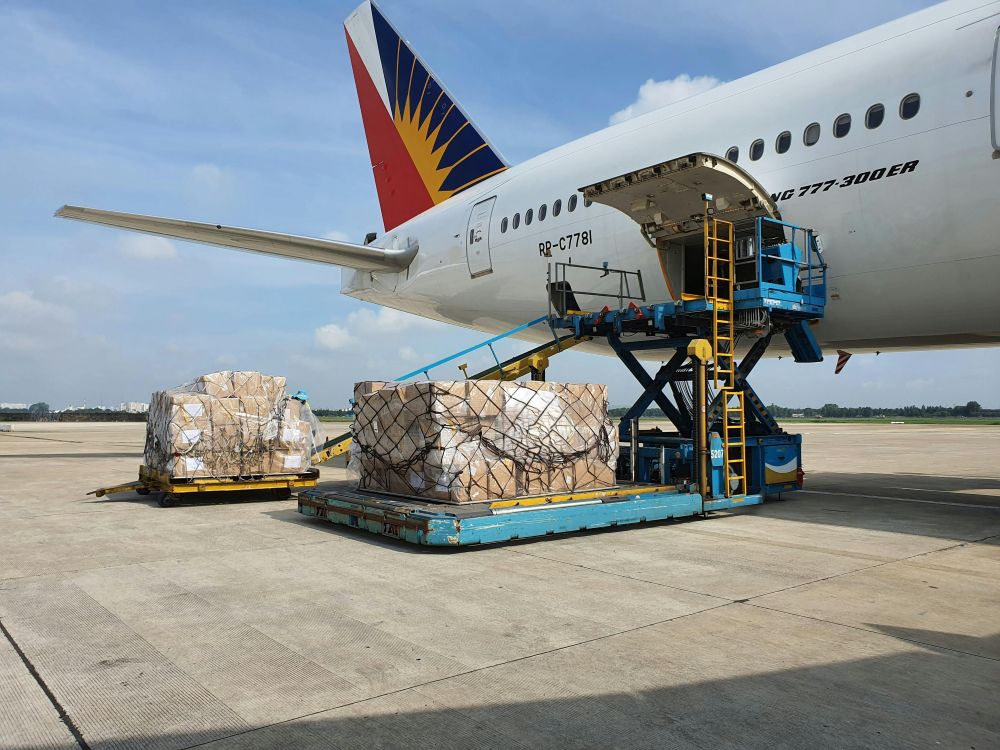
Beyond chargeable weight, a number of other variables will influence the final cost of your air freight shipment. Before you ask how much does air freight cost, you need to consider the following variables.
Origin and Destination
Popular trade lanes between major hubs – such as Sydney to Los Angeles or Brisbane to Singapore – generally carry more competitive rates than routes to and from remote or less-serviced airports. The origin and destination airports affect both the base freight rate and any handling or terminal charges.
Fuel Surcharges
Air freight rates include a fuel surcharge, which fluctuates based on global fuel prices. This is often shown as a separate line item on your quote and can change regularly, so it’s worth checking the rate validity period on any quote you receive.
Cargo Type and Handling Requirements
Certain cargo types require special handling, which can attract additional charges. Perishable goods, live animals, oversized cargo, and anything classified as dangerous goods will all be subject to different considerations. It’s worth noting that some items cannot be transported by air at all – including acids, bleach, batteries, compressed gas, explosives, and flammable liquids. If your goods fall into a restricted category, or you’re not sure, contact our team for advice.
Service Level: Standard vs Express
Jacanna offers both standard and express air freight services. Standard air freight works well for planned shipments on major routes worldwide, while express air freight is designed for mission-critical deliveries where timing is everything. Express services typically come at a premium, but include benefits like pre-clearance arrangements so customs processing can begin the moment your cargo lands.
Seasonality and Market Demand
Like sea freight, air freight rates are influenced by demand. Peak periods such as pre-Christmas, Chinese New Year, and major retail events can push rates higher and reduce space availability. Booking ahead and working with an experienced freight forwarder helps you plan around these fluctuations.
What’s Included in an Air Freight Quote?

When you request an air freight quote online or through a forwarder, it’s important to understand exactly what’s included. A comprehensive quote should cover:
- The base air freight rate (based on chargeable weight and route)
- Fuel surcharge
- Origin handling and terminal charges
- Destination handling and terminal charges
- Basic documentation fees
- Rate validity period
Customs clearance is often quoted separately, as the complexity varies depending on the goods and the destination country. At Jacanna, we can handle customs brokerage as part of your overall freight solution, making the process as streamlined as possible.
What Documentation Do You Need for Air Freight?
What Documentation Do You Need for Air Freight?
Having the right documentation in place before your shipment is ready to go is one of the most important steps in avoiding delays at customs. Incorrect or incomplete paperwork can result in fines, fees, and extended storage charges at the destination. For most air freight shipments, you’ll need:
The table below outlines the key documents required for most international air freight shipments from Australia:
| Document | What It Is | When You Need It |
| Commercial Invoice | A document issued by the seller that describes the goods, their value, and the terms of the sale. Used by customs to assess duties and taxes. | Required for all commercial air freight shipments |
| Packing List | A detailed list of the contents of each package or pallet in the shipment, including weights and dimensions. Helps customs and handlers verify cargo. | Required for all air freight shipments |
| Air Waybill (AWB) | The contract of carriage between the shipper and the airline. Confirms the shipment details and acts as a receipt for the goods. | Issued for every air freight shipment |
| Certificate of Origin | A document that certifies the country in which the goods were manufactured. May be required to determine applicable tariff rates or trade agreement eligibility. | Required for certain goods and destination countries |
| Shipper’s Export Declaration | An official declaration confirming the details of goods being exported. Required by Australian Border Force for controlled or higher-value exports. | Required for controlled goods or exports above certain value thresholds |
| Consular Invoice | A specialised invoice certified by the consulate of the destination country. Used to verify the value, quantity, and nature of the goods. | Required for shipments to certain countries |
| Inspection Certificate | A certificate confirming that goods have been inspected and meet required standards, often issued by a third-party inspection body. | Required for certain regulated goods or destination markets |
If you’re unsure what documentation applies to your specific shipment, our team can walk you through it. Getting this right from the start makes a big difference to how smoothly your cargo moves through customs clearance.
What Do You Need to Get an Accurate Air Freight Quote Online?
To get the most accurate air freight quote possible, make sure you have the following details ready:
- Origin and destination (city and airport if known)
- Cargo dimensions (length × width × height in cm for each piece)
- Actual gross weight (in kg)
- Number of pieces or pallets
- Commodity type (what the goods are)
- Incoterms/trade terms (e.g. EXW, CIF, DAP)
- Preferred service level (standard or express)
- Estimated ready date
The more accurate and complete your information, the more reliable your quote will be. Providing estimates or rounding dimensions can lead to price discrepancies later on, so it’s worth taking the time to get the details right upfront.
Standard vs Express Air Freight: Which Is Right for You?
Choosing between standard and express air freight comes down to urgency, budget, and the nature of your goods. Standard air freight is suitable for most planned international shipments and offers reliable scheduling on major routes worldwide. It’s a solid choice when speed is a priority but a tight deadline isn’t critical.
Express air freight is designed for time-sensitive cargo where every hour counts. Jacanna’s express service includes pre-clearance arrangements through our global network of agents, so the customs process starts the moment the aircraft touches down. If you’re dealing with production-critical components, medical supplies, urgent commercial orders, or anything that simply cannot afford to wait, express air freight is the better option.
Why Work With a Freight Forwarder for Air Freight?
You can technically book air freight directly with an airline, but working with an experienced freight forwarder like Jacanna generally gives you access to better rates, more flexibility, and end-to-end support. Here’s what that looks like in practice:
- Access to competitive rates through our established airline relationships
- Standard and express options on major routes worldwide
- Real-time tracking and cargo visibility throughout transit
- Customs brokerage handled as part of your freight solution
- Expert guidance on documentation, restrictions, and compliance
- A global network of agents ensuring smooth handling at both ends
Get Your Air Freight Quote Today
Understanding how air freight is priced is the first step to making a confident, informed decision for your business. Whether you’re shipping for the first time or looking for a more reliable freight partner, Jacanna’s team is here to help.
We work with businesses across Australia to provide transparent, tailored air freight solutions – from one-off urgent shipments to ongoing supply chain management. Request a free quote online to get started, or call us on +61 452 285 670.