
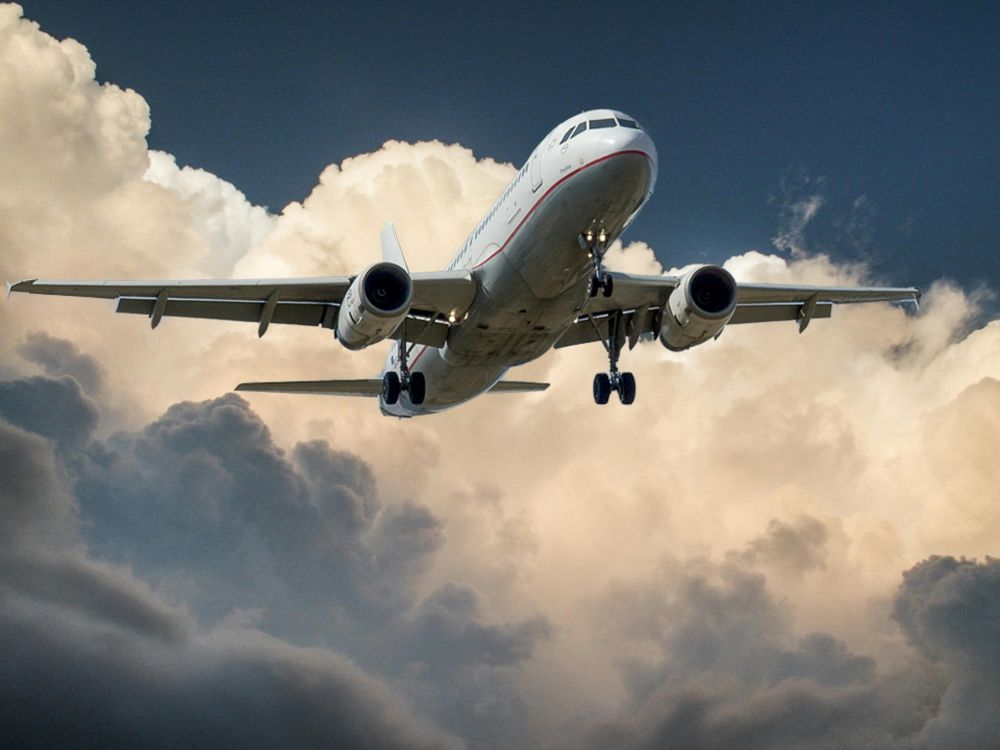
If you’ve never shipped goods by air before, the process can seem complicated. In reality, air freight transportation follows a clear sequence of steps – and with the right freight forwarder by your side, most of it is handled for you.
So how does air freight work? How long does air freight take? How do I get started? We’ll answer those questions in this guide, explaining the process from start to finish, giving a timeframe for common routes from Australia, and what you need to do to get the process moving.
What Is Air Freight Transportation?
Air freight transportation is the movement of goods via aircraft, either on dedicated cargo planes or in the belly hold of passenger flights. It’s the fastest method of international shipping available, making it the go-to option for time-sensitive, high-value, or urgent cargo.
For Australian businesses and individuals shipping internationally, air freight transportation offers a significant speed advantage over sea freight – particularly on long-haul routes to Europe, the Americas, and the Middle East where sea freight transit times can stretch to weeks.
How Does Air Freight Work? The Step-by-Step Process
Here’s how the air freight process works from the moment you decide to ship, through to delivery at the destination.
Step 1: Request an Air Freight Quote
The first step is getting a quote. To request an air freight quote in Australia, you’ll need to provide your freight forwarder with the key details of your shipment: origin and destination, dimensions and weight of each piece, commodity type, and your preferred service level (standard or express).
Your forwarder uses this information to calculate the chargeable weight – the greater of the actual gross weight or the volumetric weight – and provide a quote based on current airline rates and applicable surcharges. You can request an air freight quote Australia-wide through Jacanna here.
Step 2: Book the Shipment
Once you accept a quote, your freight forwarder books space on the appropriate flight or flights. On popular routes, space can fill up quickly – particularly during peak periods – so it pays to book as early as possible. Jacanna’s established airline relationships help secure reliable space on major routes worldwide.
Step 3: Prepare Your Documentation
Before your cargo can be collected, you’ll need to have the correct documentation in place. For most international air freight shipments, this includes a commercial invoice, packing list, air waybill, and any destination-specific documents such as a certificate of origin or consular invoice.
Getting your documentation right from the start is critical. Errors or omissions can cause delays at customs and result in storage charges at the destination airport. Read more about what documents are typically required in our Air Freight tips blog post.
Step 4: Cargo Collection and Export Customs Clearance
Your freight forwarder arranges collection of the goods from your nominated location and transports them to the departure airport. At this point, the shipment goes through export customs clearance with the relevant authority – in Australia, this is managed through the Australian Border Force (ABF).
Jacanna handles customs brokerage as part of the freight process, so you don’t need to navigate this on your own.
Step 5: Acceptance and Build-Up at the Airport
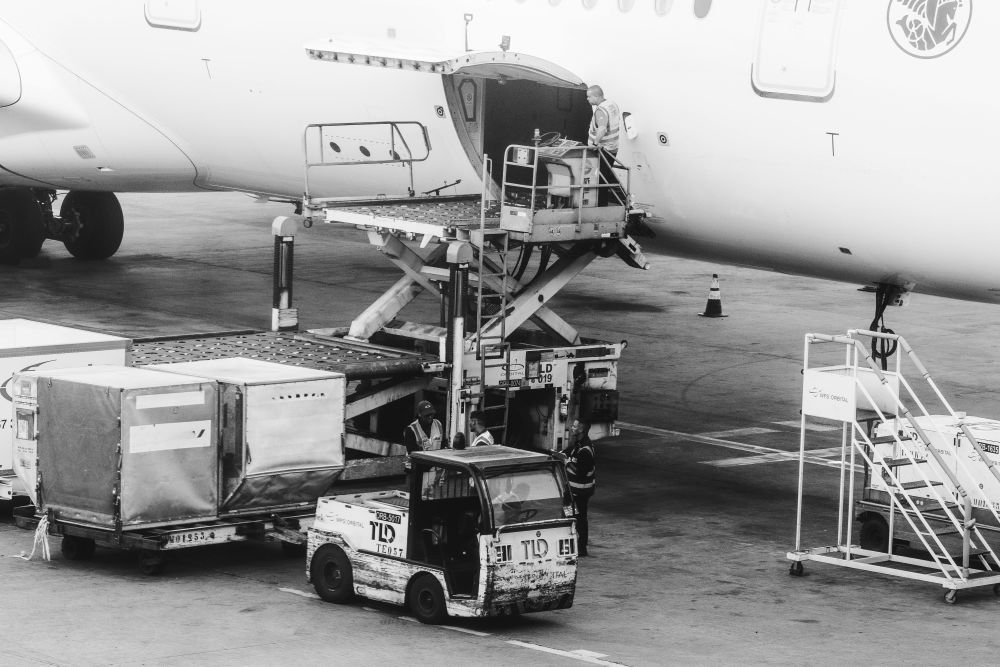
Once cleared, your cargo is handed over to the airline for acceptance. It is weighed, measured, and prepared for loading. Cargo is typically consolidated into unit load devices (ULDs) or pallets for efficient loading onto the aircraft. Standard palletised air freight is limited to 2.44 m × 3.15 m × 1.60 m, though oversized cargo may still be accepted subject to airline approval.
Step 6: Flight and Transit
Your goods travel on the booked flight to the destination airport. Depending on the route, this may be a direct service or involve one or more transit stops. Throughout this stage, Jacanna monitors your consignment and provides real-time tracking updates.
Step 7: Arrival, Import Customs Clearance, and Delivery
When the aircraft lands, your freight forwarder’s agents at the destination begin the import customs clearance process. Jacanna arranges pre-clearance through our global network, meaning this process can start the moment the aircraft touches down – minimising delays and getting your cargo moving as quickly as possible. Once cleared, goods are released and transported to the final delivery address.
How Long Does Air Freight Take?
How long air freight takes depends on several factors: the origin and destination, the number of transit stops, airline schedules, and how quickly customs clearance is completed at both ends.
We’ve put together this handy table as a general guide for shipments from Australia:
| Route | Typical Air Freight Transit Time |
| Australia to Southeast Asia | 1–3 business days |
| Australia to China / North Asia | 2–4 business days |
| Australia to the Middle East | 3–5 business days |
| Australia to Europe | 4–7 business days |
| Australia to the USA / Canada | 5–8 business days |
These are indicative transit times for standard air freight. Express air freight services can significantly reduce these timeframes on many routes, with Jacanna’s express service prioritising pre-clearance so there’s no unnecessary waiting at the destination airport.
It’s worth noting that customs clearance can add time to any shipment if documentation is incomplete or if goods are selected for inspection. Working with an experienced freight forwarder and having your paperwork in order from the start is the most effective way to keep transit times on track.
Standard vs Express Air Freight: What’s the Difference?
Jacanna offers two levels of air freight service, and understanding the difference helps you choose the right option for your shipment.
Standard air freight operates on scheduled airline services across major routes. It’s reliable, cost-effective, and well-suited to planned shipments where a few days’ flexibility in delivery timing isn’t a problem.
Express air freight is designed for urgent, time-critical cargo. Jacanna’s express service includes pre-clearance coordination through our global agent network, so import customs processing begins as soon as the aircraft lands. If you’re shipping medical supplies, critical manufacturing components, or anything where delays have a direct commercial impact, express is the right choice.
What Can and Can’t Be Shipped by Air?
Not everything can travel by air freight. Certain goods are classified as dangerous goods and are either restricted or prohibited on passenger and cargo aircraft. Common items that cannot be shipped by air include acids, bleach, batteries (in some configurations), compressed gas, explosives, and flammable liquids.
If you’re unsure whether your goods are eligible for air freight transportation, Jacanna’s team can advise on the applicable restrictions and, where necessary, recommend an alternative shipping method.
Why Use a Freight Forwarder for Air Shipping?
Understanding how air freight works is one thing, but managing it effectively is another. A freight forwarder handles the logistics, documentation, customs compliance, and carrier relationships on your behalf, so you can focus on your business rather than the details of the shipment.
At Jacanna, we’ve been helping Australian businesses and individuals move cargo internationally for over 20 years. Our air freight service covers shipments of all sizes, with access to competitive airline rates, real-time tracking, and customs brokerage all under one roof.
Ready to Ship? Get an Air Freight Quote in Australia Today
Now that you understand how air freight works, the next step is straightforward. Whether you need a standard service or an urgent express shipment, Jacanna’s team is ready to help.
To get an air freight quote Australia businesses and individuals trust, request a free quote online, call us on +61 452 285 670, or learn more about our air freight services.