

Whether you’re shipping raw materials between Australian states or moving high-value goods across the globe, understanding your options is the first step to getting it right. Cargo transport covers a broad range of services, each suited to different goods, timelines, and budgets. In this guide, we break it all down as your trusted freight forwarding partners.
What Are Cargo Transport Solutions?
Cargo transport solutions refer to the full range of methods and services available to move goods from one place to another – by sea, air, or land. For Australian businesses engaged in international trade, choosing the right solution can have a significant impact on cost, transit times, and the condition your goods arrive in – making it a critical part of commercial success.
The good news is that modern cargo transport solutions are designed to be flexible. Whether you’re a small business shipping occasional pallets or a large operation with ongoing logistics needs, there’s an option to suit you.
How Does Cargo Transport Work?
Understanding the process can help you plan your shipment more effectively and avoid costly surprises. While the specifics depend on the mode of transport and the type of goods you’re transporting, most international cargo transport follows a similar pattern.
To start off, your goods are picked up from your premises or a nominated location and transported to a port or airport. From there, they’re processed through customs export clearance before being loaded onto a vessel or aircraft. Once they arrive at the destination country, they go through import customs clearance before being delivered to the final recipient.
Throughout this process, documentation is critical. A commercial invoice, packing list, and bill of lading (or airway bill for air freight) are standard requirements. Depending on your goods and their destination, you may also need certificates of origin, permits, or compliance declarations. Getting this paperwork right from the outset helps avoid delays at the border.
Working with an experienced freight forwarder means you have a team of experts managing each stage on your behalf – from booking cargo space to coordinating customs clearance and final delivery.
Cargo Transport by Air: Speed When It Matters
When time is critical, cargo transport by air is often the best option. Air freight is faster than sea freight by a significant margin, making it ideal for time-sensitive shipments, perishable goods, or high-value items that require rapid delivery.
Cargo transport by air is also a strong choice when reliability is a priority. Airlines operate on tight schedules, which means more predictable transit times and fewer delays compared to other modes of transport.
That said, air freight typically comes at a higher cost per kilogram than sea freight, so it’s worth weighing up speed against budget. Read more about Jacanna’s air freight forwarding services to determine whether air is the right fit for your shipment.
Sea Freight and Container Cargo Transport Solutions
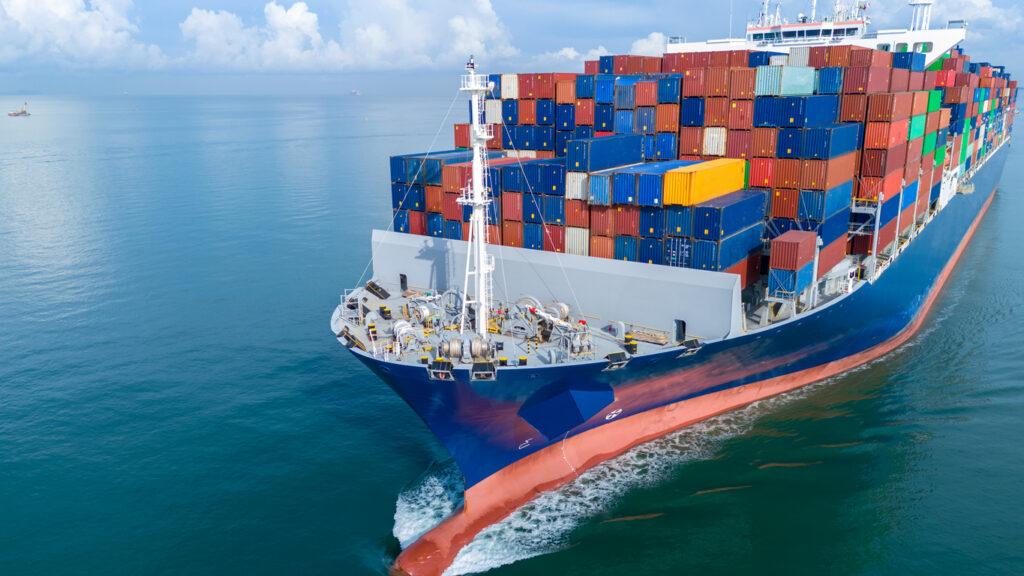
For businesses moving large volumes of goods internationally, sea freight is the most widely used – and most cost-effective – cargo transport solution. Container shipping is the standard method for most sea freight, and you have two main options depending on the size of your shipment:
- Less Than Container Load (LCL) – your goods share container space with other shipments heading to the same destination. This is ideal for smaller loads, typically anything under 15 cubic metres, and means you only pay for the space you use.
- Full Container Load (FCL) – you have the entire container to yourself. This suits larger shipments, or goods that you’d prefer not to consolidate with others for security or handling reasons.
Choosing between LCL and FCL comes down to volume, budget, and the nature of your goods. FCL generally offers a lower cost per cubic metre at higher volumes, while LCL gives smaller shippers access to international cargo transport without needing to fill an entire container.
Sea freight does take longer than air, so it’s best suited to goods where transit time is flexible. For a detailed breakdown of container options and costs, take a look at our Container Shipping Guide for Beginners.
Bulk Cargo Transport: Moving Large Volumes Efficiently
For businesses moving large quantities of goods – whether that’s grain, minerals, liquids, or construction materials – bulk cargo transport is the most cost-effective approach. Bulk cargo transport typically moves goods in large, undivided loads via sea freight, using vessels purpose-built for the task.
There are three main categories:
- Dry bulk – commodities like grain, coal, and iron ore
- Liquid bulk – oils, chemicals, and liquefied gases
- Break bulk – oversized or heavy items that can’t be containerised
Australia’s position as a major exporter of commodities means bulk cargo transport plays a significant role in the country’s international trade. For businesses involved in this space, working with an experienced freight forwarder is essential to managing costs and compliance.
Secure Cargo Transport: Protecting What Matters
Not all goods that need to be moved are the same, and some require a higher level of care. Secure cargo transport is designed for shipments that are high-value, fragile, or sensitive – think electronics, machinery, pharmaceuticals, or even art.
Key features of secure cargo transport include:
- Specialised packaging and handling procedures
- Chain-of-custody documentation
- Temperature-controlled options where required
- Enhanced tracking and monitoring throughout transit
Choosing a freight forwarder with experience in secure cargo transport means your goods are in safe hands from pick-up to delivery. It’s also worth ensuring your shipment is properly insured – speak to your freight provider about what cover is available for your specific goods.
Choosing the Right Cargo Transport Solution
With so many options available, how do you choose? Here are the key questions to ask:
- What are you shipping? The nature of your goods – weight, volume, fragility, and any hazardous classifications – narrows down your options significantly.
- How quickly does it need to arrive? If speed is essential, cargo transport by air may be worth the additional cost.
- What’s your budget? Sea freight is generally more economical for large or heavy shipments.
- Does your shipment require special handling? Secure cargo transport adds a layer of protection for high-value or sensitive goods.
If you’re unsure where to start, it’s always worth speaking to a freight specialist. Jacanna’s team of experienced customs brokers can also help ensure your shipment meets all Australian import and export requirements.
Understanding Cargo Transport Costs
One of the most common questions businesses ask is: how much does cargo transport actually cost? The honest answer is that it depends on a number of variables, but understanding what drives pricing helps you plan your budget more accurately.
The main factors that influence cargo transport costs include:
- Mode of transport – cargo transport by air is faster but more expensive per kilogram than sea freight. For large or heavy shipments, sea freight is almost always the more economical choice.
- Volume and weight – freight is typically priced by either actual weight or volumetric weight, whichever is greater. Efficient packaging can help reduce costs.
- Origin and destination – shipping between major ports or airports is generally less expensive than routing through smaller or more remote locations.
- Seasonality – demand peaks at certain times of year, particularly in the lead-up to major retail seasons, which can push rates up.
- Additional services – secure cargo transport, temperature control, or specialised handling will add to the base rate, but are often essential for certain goods.
- Customs and compliance – duties, taxes, and port handling fees are separate from freight costs and need to be factored into your overall budget.
It’s also worth noting that bulk cargo transport generally offers better economies of scale – the more you ship, the lower your cost per unit tends to be. For businesses with regular, high-volume shipping needs, this can represent a meaningful saving over time.
Because rates fluctuate with fuel prices, exchange rates, and global demand, it’s always best to request a current quote directly from your freight provider rather than relying on estimates. Jacanna’s team can provide up-to-date pricing tailored to your specific shipment.
Ready to Find the Right Cargo Transport Solution?
From bulk cargo transport to secure handling and air freight, Jacanna offers end-to-end cargo transport solutions for Australian businesses. Get in touch with our team today for a free quote and expert guidance on the best approach for your shipment.